Graphic Design
Glyphs Of Belonging
Poster design submission for FiftyFifty 2026
Year :
2026
Industry :
Non-profit
Client :
ATypI
Project Duration :
1 week

Overview
Students were invited to design one glyph from their own writing system, exploring how its form creates alignment, tension, or harmony while reflecting a connection to their language, culture, or homeland. The glyph is approached as the first letter of a meaningful word—one connected to home, identity, memory, place, community, or belonging.
Design Process
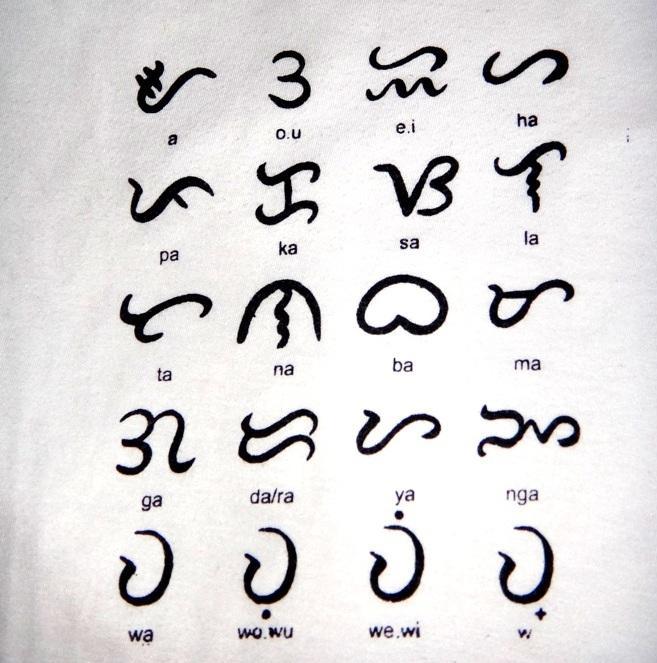
During the creative brief, they mentioned that we should focus on where we came from and how we could implement that Into our design. I decided to work with the Baybayin script which is the script Filipinos used before colonialism.
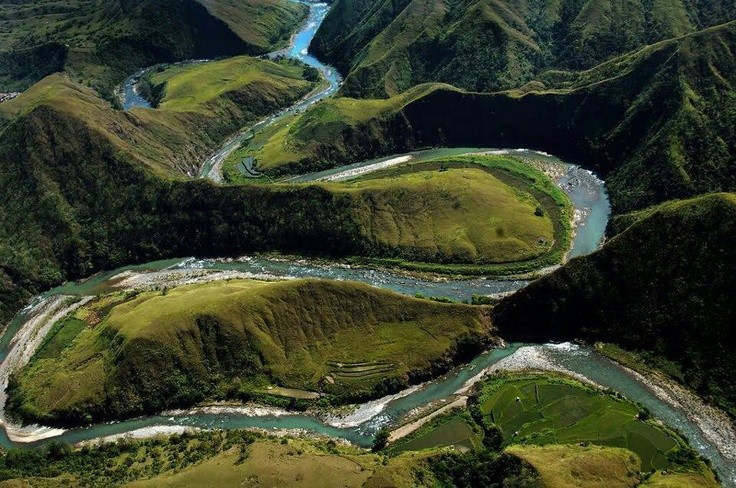
After looking over the different glyphs the script offers I start to notice that many of the character look like rivers and I thought that it was the perfect idea considering the word Tagalog (The more commonly known dialect of the Filipinos) comes from the term "Taga-Ilog" meaning River Dwellers. Additionally, before modern transportation, rivers are what connects distant communities and where people gather.

Rationale
I decided to go with the glyph for "Nga" because it was the one that reminded me the most of a river and it had a nice crossroad appearance. The word I formed with "Nga" is the word "Ngayon" which translates to "Now". For me the sense of belonging can only truly exist if you live in the now.

Conclusion
My work ended up getting selected to be one of the pieces to be a part of an exhibition that will be presented during ATypI Stanford (May 27–30, 2026) and ATypI Sharjah (October 28–31, 2026), bringing together students, educators, designers, and researchers from across the global typography community.
More Projects


Graphic Design
Glyphs Of Belonging
Poster design submission for FiftyFifty 2026
Year :
2026
Industry :
Non-profit
Client :
ATypI
Project Duration :
1 week
Overview
Students were invited to design one glyph from their own writing system, exploring how its form creates alignment, tension, or harmony while reflecting a connection to their language, culture, or homeland. The glyph is approached as the first letter of a meaningful word—one connected to home, identity, memory, place, community, or belonging.
Design Process
During the creative brief, they mentioned that we should focus on where we came from and how we could implement that Into our design. I decided to work with the Baybayin script which is the script Filipinos used before colonialism.
After looking over the different glyphs the script offers I start to notice that many of the character look like rivers and I thought that it was the perfect idea considering the word Tagalog (The more commonly known dialect of the Filipinos) comes from the term "Taga-Ilog" meaning River Dwellers. Additionally, before modern transportation, rivers are what connects distant communities and where people gather.
Rationale
I decided to go with the glyph for "Nga" because it was the one that reminded me the most of a river and it had a nice crossroad appearance. The word I formed with "Nga" is the word "Ngayon" which translates to "Now". For me the sense of belonging can only truly exist if you live in the now.
Conclusion
My work ended up getting selected to be one of the pieces to be a part of an exhibition that will be presented during ATypI Stanford (May 27–30, 2026) and ATypI Sharjah (October 28–31, 2026), bringing together students, educators, designers, and researchers from across the global typography community.
More Projects
Graphic Design
Glyphs Of Belonging
Poster design submission for FiftyFifty 2026
Year :
2026
Industry :
Non-profit
Client :
ATypI
Project Duration :
1 week
Overview
Students were invited to design one glyph from their own writing system, exploring how its form creates alignment, tension, or harmony while reflecting a connection to their language, culture, or homeland. The glyph is approached as the first letter of a meaningful word—one connected to home, identity, memory, place, community, or belonging.
Design Process
During the creative brief, they mentioned that we should focus on where we came from and how we could implement that Into our design. I decided to work with the Baybayin script which is the script Filipinos used before colonialism.
After looking over the different glyphs the script offers I start to notice that many of the character look like rivers and I thought that it was the perfect idea considering the word Tagalog (The more commonly known dialect of the Filipinos) comes from the term "Taga-Ilog" meaning River Dwellers. Additionally, before modern transportation, rivers are what connects distant communities and where people gather.
Rationale
I decided to go with the glyph for "Nga" because it was the one that reminded me the most of a river and it had a nice crossroad appearance. The word I formed with "Nga" is the word "Ngayon" which translates to "Now". For me the sense of belonging can only truly exist if you live in the now.
Conclusion
My work ended up getting selected to be one of the pieces to be a part of an exhibition that will be presented during ATypI Stanford (May 27–30, 2026) and ATypI Sharjah (October 28–31, 2026), bringing together students, educators, designers, and researchers from across the global typography community.